Cernavodă Unit 1 Refurbishment Project

Cernavodă Unit 1 Refurbishment Project

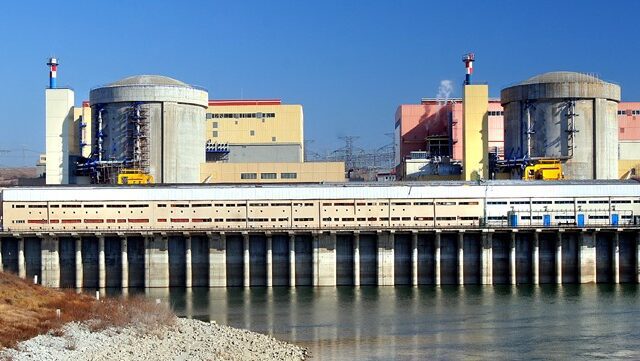
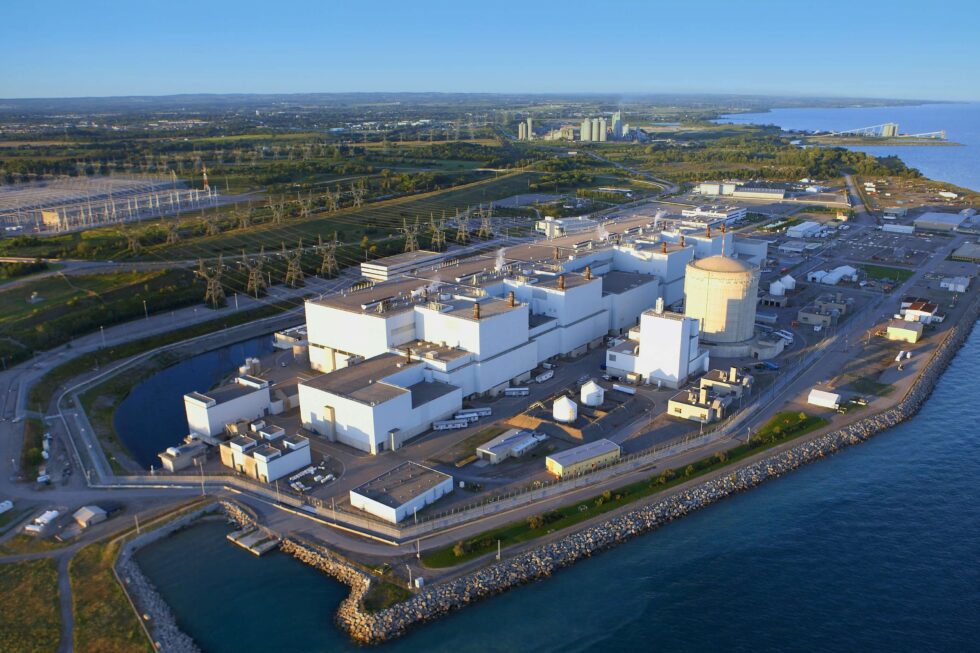
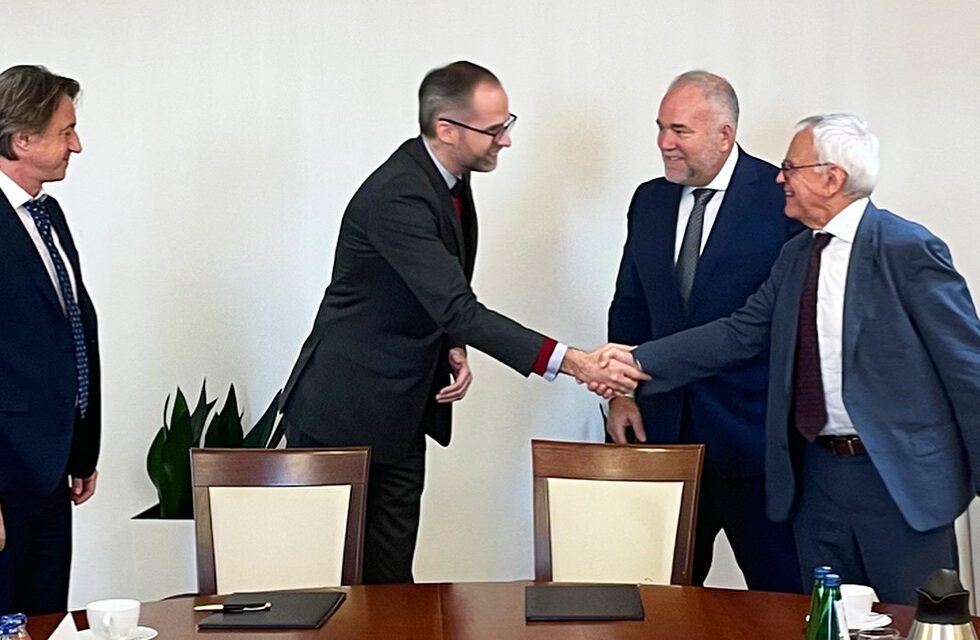
Through its European subsidiary, Canadian Nuclear Partners SA (CNPSA), Laurentis is delivering Project Management Organization (PMO) services to support the preparation and execution of Societatea Nationala Nuclearelectrica’s (SNN) Cernavodă Nuclear Power Plant Unit 1 refurbishment project in Romania.

Under a Framework Agreement signed with SNN, the company is providing integrated support across all phases of the refurbishment program, including:

  • Project management services
  • Technical and engineering support
  • Consulting services
  • Specialized training for CANDU refurbishment
  • Outage management, and
  • Coordination and oversight of commissioning through to its return to commercial operation

As a subsidiary of Laurentis, CNPSA is headquartered in Bucharest and provides centralized corporate services to support operations at the Cernavodă site. These services include, but are not limited to, human resource management, workforce planning and mobilization, onboarding, and coordination of legal and financial functions, delivered in close alignment with Laurentis in Canada.

Securing Romania’s long-term energy security

SNN is a state-owned power utility, reporting to Romania’s Ministry of Energy. It operates the Cernavodă Nuclear Power Plant, a two-unit CANDU 6 facility that generates approximately 20 per cent of Romania’s electricity. Unit 1 entered service in 1996, followed by Unit 2 in 2007.

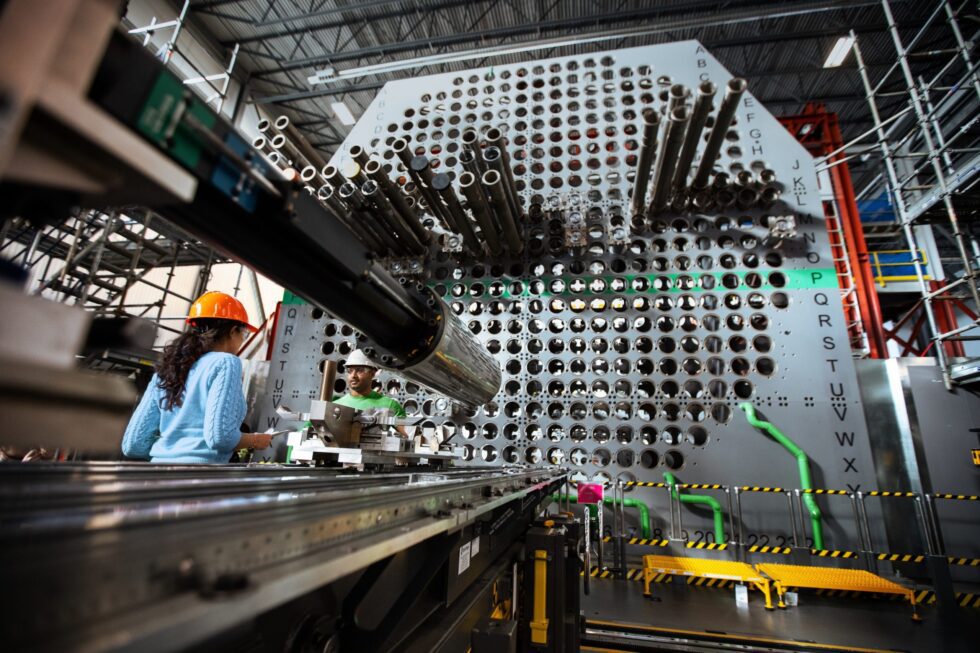
During a refurbishment outage, systems, equipment, and components that are not being replaced require deliberate planning and control to ensure they continue to meet nuclear safety, equipment integrity, and regulatory requirements throughout extended outage conditions.

Drawing on proven practices from CANDU refurbishment programs in Canada, Laurentis and CNPSA have established a tailored layup program that addresses the conservation and preservation of plant systems and components, environmental control, material protection, and condition monitoring, while maintaining safety functions and configuration control.

The program is designed to support equipment reliability, prevent degradation during the outage period, and enable a safe, orderly, and predictable return to service of the unit following refurbishment activities.

The refurbishment program is being delivered in three phases:

  • Phase 1 (Completed in 2024): Feasibility studies, system analysis, and design engineering.
  • Phase 2 (2024-2027): Implementation, including engineering, regulatory, and execution documentation, to manage the refurbishment activities and the delivery of long-lead reactor components.
  • Phase 3 (Beginning September 2027): Execution phase following reactor shutdown (“breaker open”) including full oversight of schedule, field execution, health, safety, and radiation protection programs.

Applying proven Canadian expertise and standards to deliver results

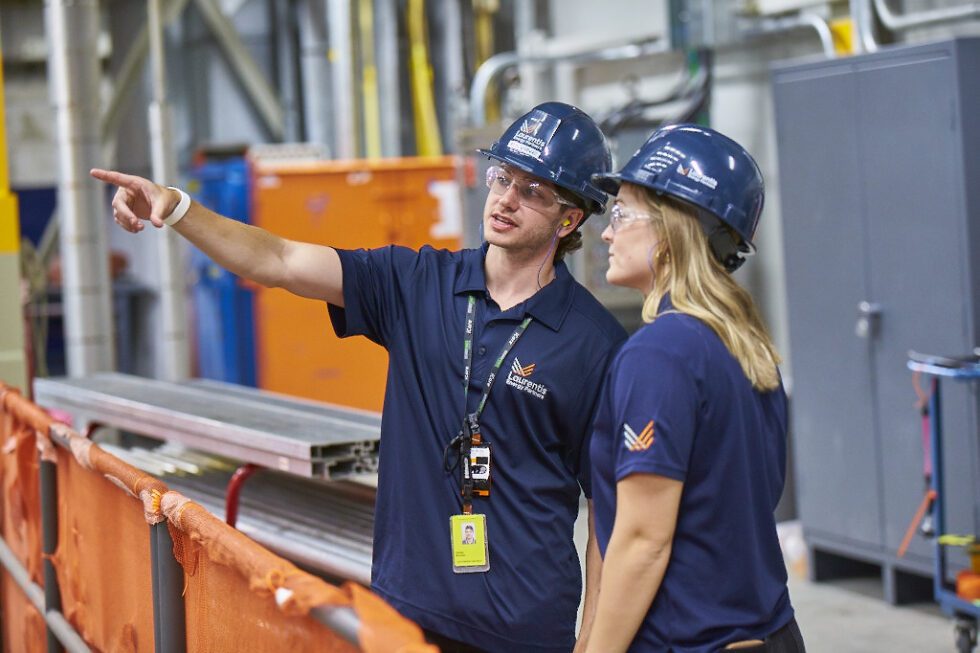
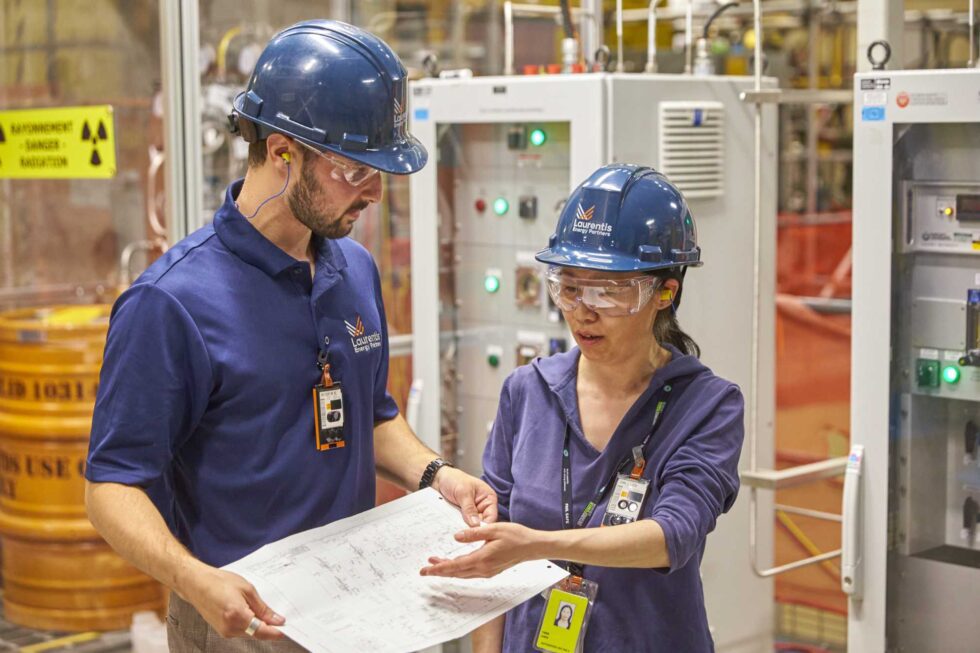
Drawing on more than five decades of nuclear experience, Laurentis and CNPSA are delivering a comprehensive training and mentoring program for SNN personnel involved in the refurbishment project.

Training is conducted at the Darlington Energy Complex, leveraging the proven methodologies developed by Ontario Power Generation (OPG) for large-scale CANDU refurbishment programs including OPG’s Darlington Refurbishment project which was complete as of February 2026, approximately four months ahead of schedule and $150 million CAD under budget.

This program establishes clear standards and best practices to support safe, high-quality, on-time, and on-budget project delivery. It also equips project staff with the tools and knowledge required to proactively identify, analyze, and resolve challenges throughout execution of the project.

Did you know?

  • The refurbishment will extend Cernavodă Unit 1's operational life into the 2050s, ensuring decades of reliable baseload power for Romania.
  • Cernavodă's two CANDU reactors currently generate approximately 20 per cent of Romania's electricity.
  • Built in 1996, Unit 1 uses proven Canadian CANDU technology with over six decades of safe, reliable operational experience worldwide.
  • The refurbishment strengthens Romania's energy independence by keeping Cernavoda operating reliably, reducing reliance on imported energy.
  • The refurbishment is one of Romania's largest energy infrastructure projects, creating hundreds of high-skilled jobs.
Western Clean-Energy Sorting and Recycling facility

Western Clean-Energy Sorting and Recycling facility

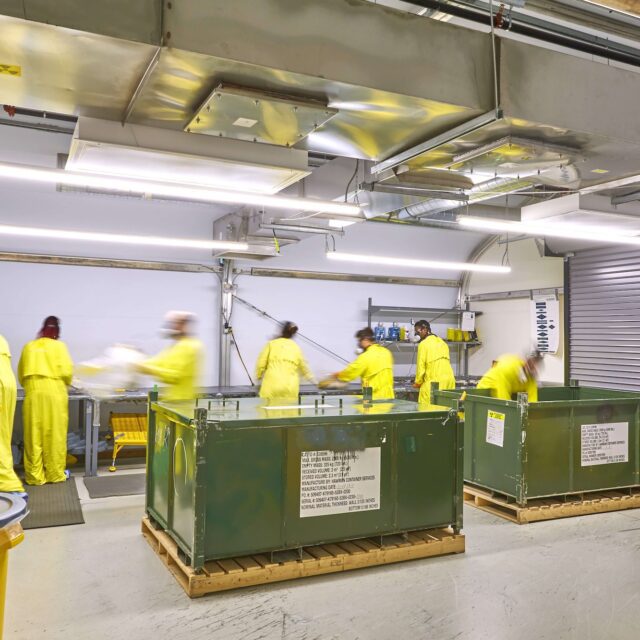
Across its projects and services, Laurentis delivers cutting-edge nuclear energy solutions. The Western Clean-Energy Sorting and Recycling (WCSR) facility is no exception. The WCSR reduces the volume of low-level waste associated with nuclear power production, which means lower costs and a smaller environmental footprint.

WCSR fast facts

Nuclear energy innovation in action

0 42000
square feet

Lower costs
for decommissioning, storage and disposal

0 25
jobs created locally

Your WCSR questions answered

The WCRS is near Kincardine, Ontario, approximately three kilometres east of Ontario Power Generation’s Western Waste Management Facility and the Bruce Power nuclear site.

The WCRS builds on learnings from a partnership between Laurentis and McMaster University by delivering efficient, innovative and advanced sorting processes

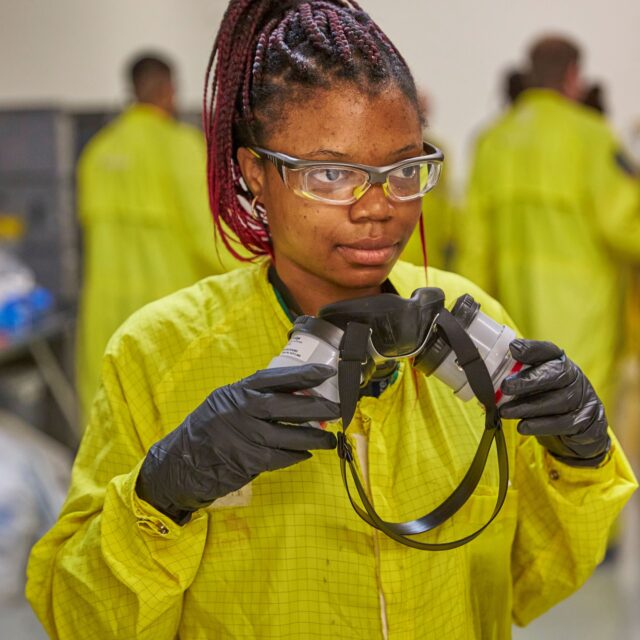
The WCSR only handles low-level nuclear waste, which include worker garments, tools, mops and other minimally impacted materials.

A deeper dive: the WCSR

When materials become contaminated by exposure to nuclear radiation, they need to be safely disposed of so as not to present any harm to the surrounding environment. The nuclear waste that most people are familiar with is spent fuel, which is considered a high-level waste because it remains radioactive for many years. But there are other materials that become nuclear waste due to exposure to some aspect of the nuclear reaction. These items include worker garments, which are worn to protect the workers themselves from radiation. They include small tools used inside the reactor, or mops and rags. These materials need to be safely disposed of—or ideally, recycled for reuse in the nuclear industry—which is where the WCSR comes in.

The WCSR is the product of a joint research initiative between McMaster University and Laurentis. The research looked into the most efficient, environmentally responsible ways that low-level waste could be disposed of. The application of this research resulted in the WCSR.

The WCSR is a significant milestone in Laurentis’s commitment to cutting-edge nuclear solutions because it maximizes the recycling of waste and minimizes the need for longer-term storage facilities. This reduction in the space required for interim and permanent disposal facilities has a positive impact on the environment and the price of nuclear power. It also helps lower the cost of both operating and decommissioning nuclear sites.

Laurentis’s expertise in carefully sorting and segregating what is clean, what is recyclable and what can be processed to reduce volume is an in-demand service with applications across nuclear technologies.

Maintenance and inspection projects

Maintenance and inspection projects

As experienced nuclear industry leaders, Laurentis has completed various maintenance and inspections-related projects to keep nuclear plants running safely and at optimal efficiency for the entirety of their operating life.

Spacer Location and Repositioning campaigns

Spacer Location and Repositioning campaigns are a Laurentis area of expertise, with every aspect covered and multiple projects completed successfully. 

The importance of SLAR campaigns

Laurentis has successfully completed numerous Spacer Location and Repositioning (SLAR) campaigns. Outside of the on-channel inspection, Laurentis also maintains, calibrates, tests, and commissions all SLAR equipment to make sure it is ready to use.

SLAR campaign equipment includes the SLAR and Modal Detection and Reposition (MODAR), which detects and repositions garter springs in a wet, de-fueled channel. This ensures adequate separation between calandria and pressure tubes.

As nuclear plants around the world continue to age, SLAR campaigns are a vital expertise in keeping these reliable, low-carbon energy sources operating as safely and efficiently as possible.

TDS Services

Nuclear reactor maintenance

Laurentis’s advanced tooling and expert crews are trusted to perform critical and routine maintenance on operating nuclear reactors.

Darlington Aerial View

Aerial inspections

Laurentis offers aerial inspections with remotely piloted aircraft systems operated by Compliant Operator Special Flight Operations Certificate crews as designated by Transport Canada.

CIGAR inspections

Laurentis’s Channel Inspection and Gauging Apparatus for Reactors offers a fully automated, remotely operated inspection system designed to perform multi-channel, multi-task inspection of CANDU reactor fuel channels.

Balance of plant inspections

Balance of plant inspections and services to keep your entire operation meeting the highest safety standards and running at peak performance.

Darlington workers

Inspection of nuclear fuel channels

Volumetric and dimensional inspections of nuclear fuel channels include a review of the fuel channel lifecycle management plans and detailed recommendations to maximum optimization. This inspection includes engineering, radiation protection, and operations support.

Keeping reactors efficient and online

Other maintenance and inspection services and capabilities that Laurentis specializes in and projects delivered, including in partnership with OPG’s Advanced Inspections and Maintenance team (AIM):

  • Scanning Tool for Elongation Measurements
  • Fret Replica Inspection Laser System analysis
  • Training and expertise/execution for Balance of Rotating Equipment
  • Training, expertise/execution and tooling for Horizontal Flux Detector install and removal
  • Single fuel channel replacement (SFCR) training and expertise/execution for mock-up and flask rentals, including active component transfer system (ACTS)
  • Data acquisition power rundown monitoring equipment, expertise, training, and equipment
  • Assessments (order completion, whether it be backlog, outage, preventative maintenance)
  • Radiation protection field team services
  • Vacuum building outages support using Remotely Piloted Aircraft System (RPAS) or drones
  • RPAS and drones for renewable generation (hydro, dam inspections, head gate integrity)
  • Heavy Water Transfer Facility at NB Power, reducing rates of coolant and moderator water (tritium removal)
  • Steam generator support and expertise
  • Used fuel container programs for Small Modular Reactors (SMRs)
  • Monitoring, diagnostics, and preventative maintenance

Small modular reactor projects

Small modular reactor projects

Bringing SMR projects to life

As demand for safe, clean, reliable power grows, Small Modular Reactors (SMRs) are set to play a big role in the future of nuclear—and the energy industry at large. With its extensive expertise in nuclear operations and applications—and a key role in delivering Ontario Power Generation’s Darlington New Nuclear Project—Laurentis is helping to lead the charge. This positions the company at the forefront of one of the most promising, versatile, and adaptable low-carbon energy technologies of tomorrow.

SMR clients and projects

Laurentis provides SMR services to clients from across Canada and around the world, including Canadian nuclear utilities, Canadian non-nuclear utilities, European utilities, European non-nuclear utilities, and Canadian government departments. Some of its clients and partners include:

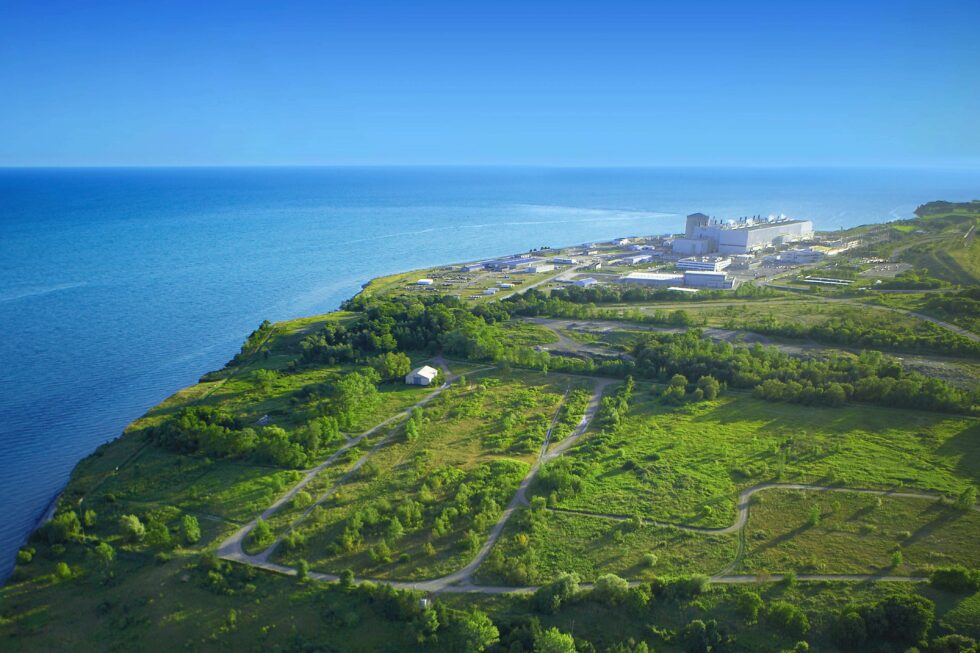
Darlington aerial

Darlington New Nuclear Project

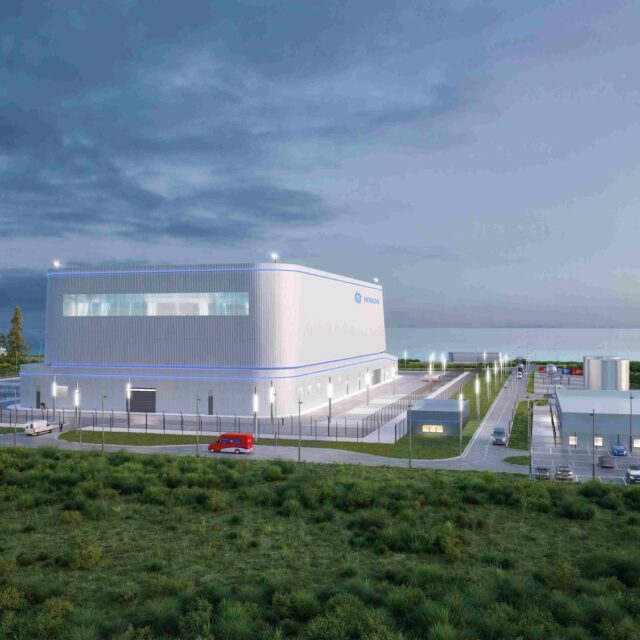
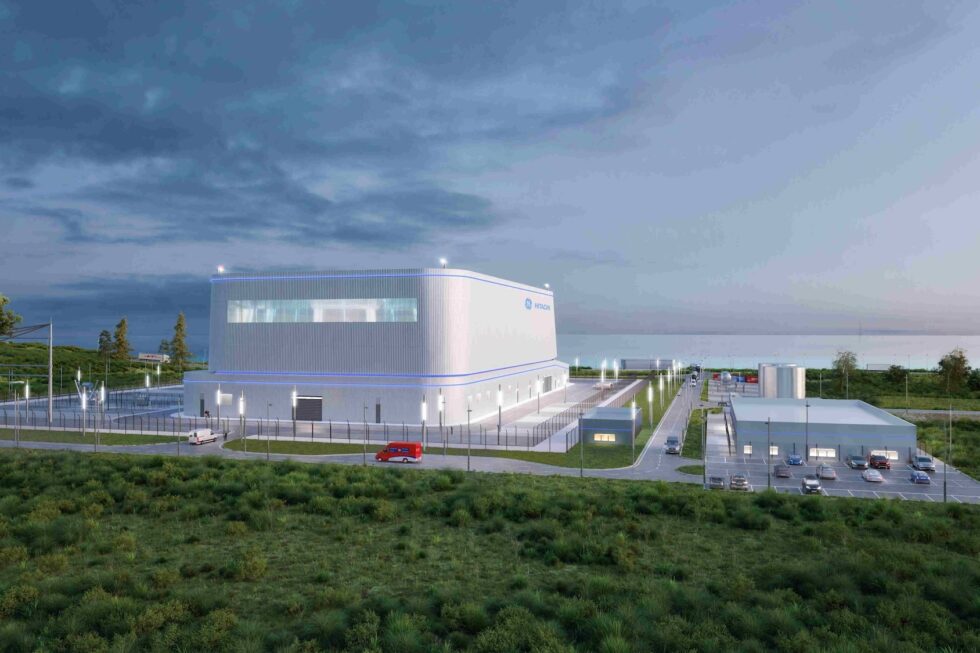
Working with Ontario Power Generation and GE Hitachi Nuclear Energy to deploy a BWRX-300 SMR at the Darlington site in Clarington, Ontario.

bwxt 300 SMR

SaskPower

Laurentis is collaborating with SaskPower to advance Western Canada’s first SMR project in the province of Saskatchewan.

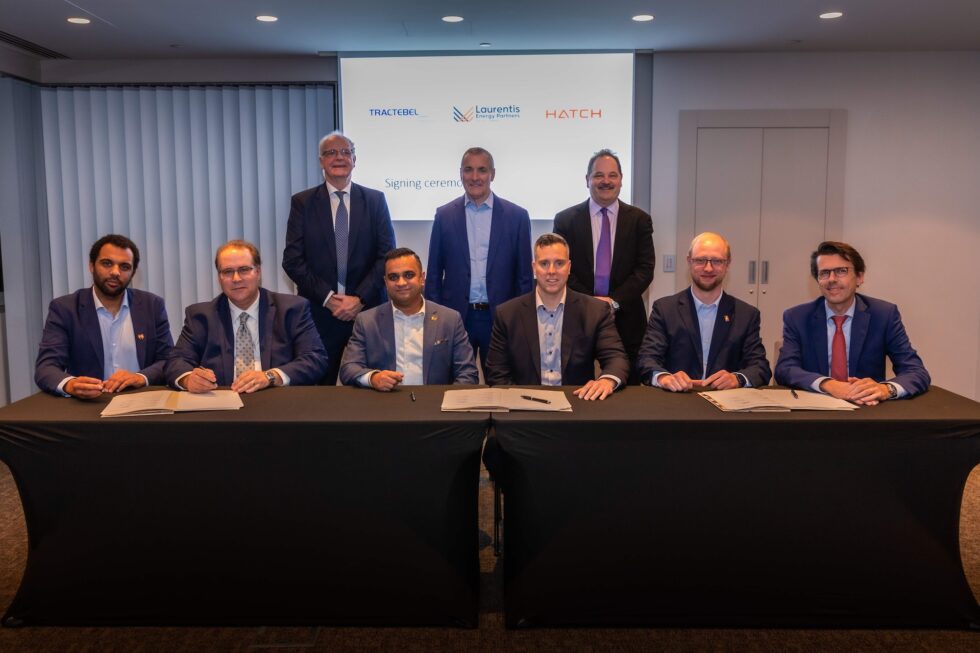
LEP Hatch Tractebel Signing

Tractebel and Hatch

Laurentis is joining forces with Tractebel, a global engineering and consulting company, and Hatch, a global management, engineering, and consulting firm, to develop a one-stop-shop to support industrial SMR clients worldwide.

Laurentis and Fermi Partner

Fermi Energia

Laurentis is supporting the development of SMRs for Fermi Energia, an Estonian energy company seeking to ensure a stable, clean, and reliable domestic supply of electricity.

Synthos Green Energy

Laurentis is supporting the development of GE Hitachi BWRX-300 SMRs in Poland for Synthos Green Energy, a Polish energy company.

End-to-end SMR services

With proven and trusted expertise with all stages of nuclear energy development, Laurentis helps lower risk, reduce lead times, and increase confidence that an SMR project will succeed. This is an exciting new technology, but it is in its early stages of commercialization. It requires people with the technical expertise to deliver quality work, on time and on budget. Explore the ways in which Laurentis provides industrial and nuclear clients with start to finish SMR services and supports that build public confidence and trust.

  • Corporate structure
  • Quality management
  • Site selection support and oversight
  • Regulatory support
  • Stakeholder and public engagement
  • Safety assessments
  • Contracting and resourcing strategies
  • Cost and scheduling
  • Supply chain strategies
  • Project roadmap and governance
  • Cost estimating
  • Technology selection
  • Project management
  • Construction planning oversight
  • Commissioning support
  • Licensing
  • Engineering, procurement and construction oversight
  • Operations training and procedures
  • Inspection and maintenance services
  • Asset lifecycle management
  • As Low As Reasonably Achievable (ALARA)
  • Vendor qualification
  • Contract management
  • Owner’s Engineer
  • Public relations and stakeholder management
  • Radiation protection and expertise
  • Nuclear waste management solutions
  • Fuel lifecycle

Interested in learning more about Laurentis’s SMR services?

If you have any questions about Laurentis's SMR service offerings or want to know more about how Laurentis can help your company succeed, please get in touch with us.

Target Delivery System

Target Delivery System

The world needs more medical and radioisotopes—and Laurentis answered the call. Laurentis’s innovations resulted in the world’s first isotope production from a working commercial nuclear power reactor.

Inside a groundbreaking technology

Over a period of several years, Laurentis and BWXT Medical Ltd. worked to develop a proprietary piece of technology that would enable Laurentis to drastically increase both the scale and diversity of its isotope production. The result is the Target Delivery System (TDS).

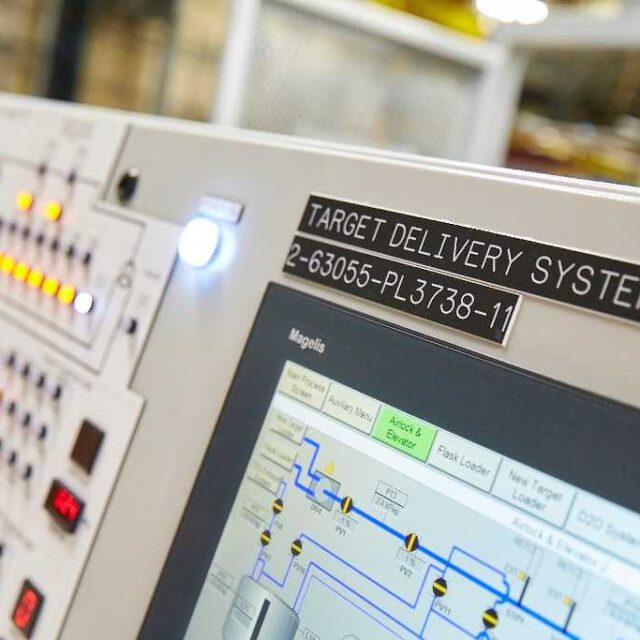
The TDS is North America's largest isotope irradiation system that was specifically engineered to take advantage of the unique design of CANDU reactors. The result is a novel and highly applicable system of isotope production that allows isotopes to be produced and harvested while the nuclear reactor remains online. This means that there is no disruption to the generation of clean energy.

The TDS also represents a significant opportunity for nuclear science to contribute to the well-being of people around the world by offering innovative and alternative approaches to cancer diagnosis and treatment.

Laurentis’s first TDS was installed at OPG’s Darlington nuclear station on Unit 2 and, pending regulatory approvals, will install a second system on Unit 3. The TDS offers a high-volume capacity for irradiating isotopes, as well as high neutron absorption. This results in a higher production yield from the raw material that enters the reactor. Laurentis is currently using the TDS to produce Mo-99 and has plans to use it to produce Y-90 and Lu-177. Learn more about these isotopes here.

The TDS has positioned Laurentis as a world leader in nuclear medical isotope production, with the first ever isotope harvest of Mo-99 from a working commercial power reactor, and Laurentis is just getting started. In the coming years, Laurentis will continue to expand its product portfolio and capacity to meet growing global demand for life-saving medical isotopes.

Innovation in action

Laurentis’s Target Delivery System

A deeper dive - The TDS in action

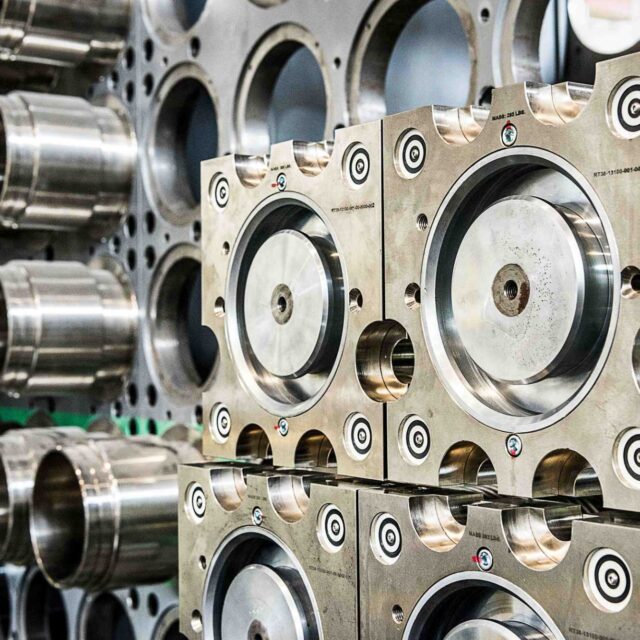
The TDS irradiation process begins with a stable isotope. For Laurentis’s Mo-99 production, the target isotope is Mo-98. The target isotope is packed in capsule form with eight capsules housed in a zircaloy magazine. The magazine is lowered into the core of Darlington’s Unit 2 power reactor. High flux neutrons with tremendous thermal power then bombard the target, converting it into Mo-99. After irradiation, the target is lifted out of the reactor, packaged in flasks, and prepared for transportation. The TDS system is fully automated: it lowers new magazines into the core, lifts them out after irradiation, and packages irradiated isotopes into licensed containers for transport.

The system uses four elevators and is controlled using a hybrid of elevators and pneumatics.

Total capacity of the TDS at Darlington Unit 2 can satisfy a significant portion of global demand for Mo-99.

Laurentis contributes to University of New Brunswick nuclear energy research program

Story
February 15, 2024
6 min read

Laurentis contributes to University of New Brunswick nuclear energy research program

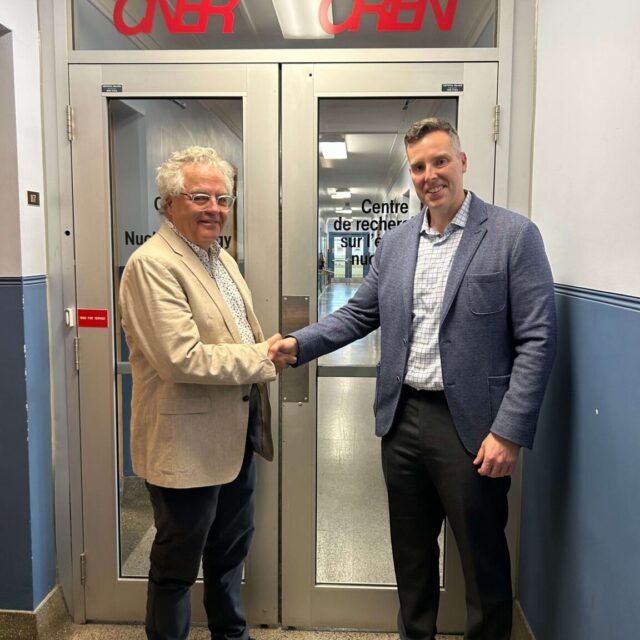
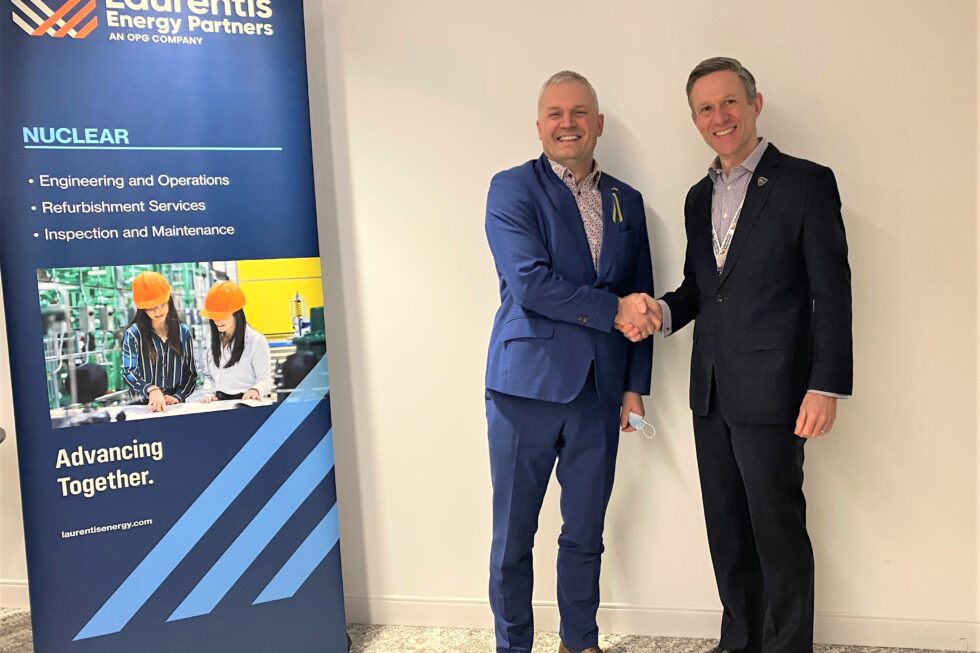
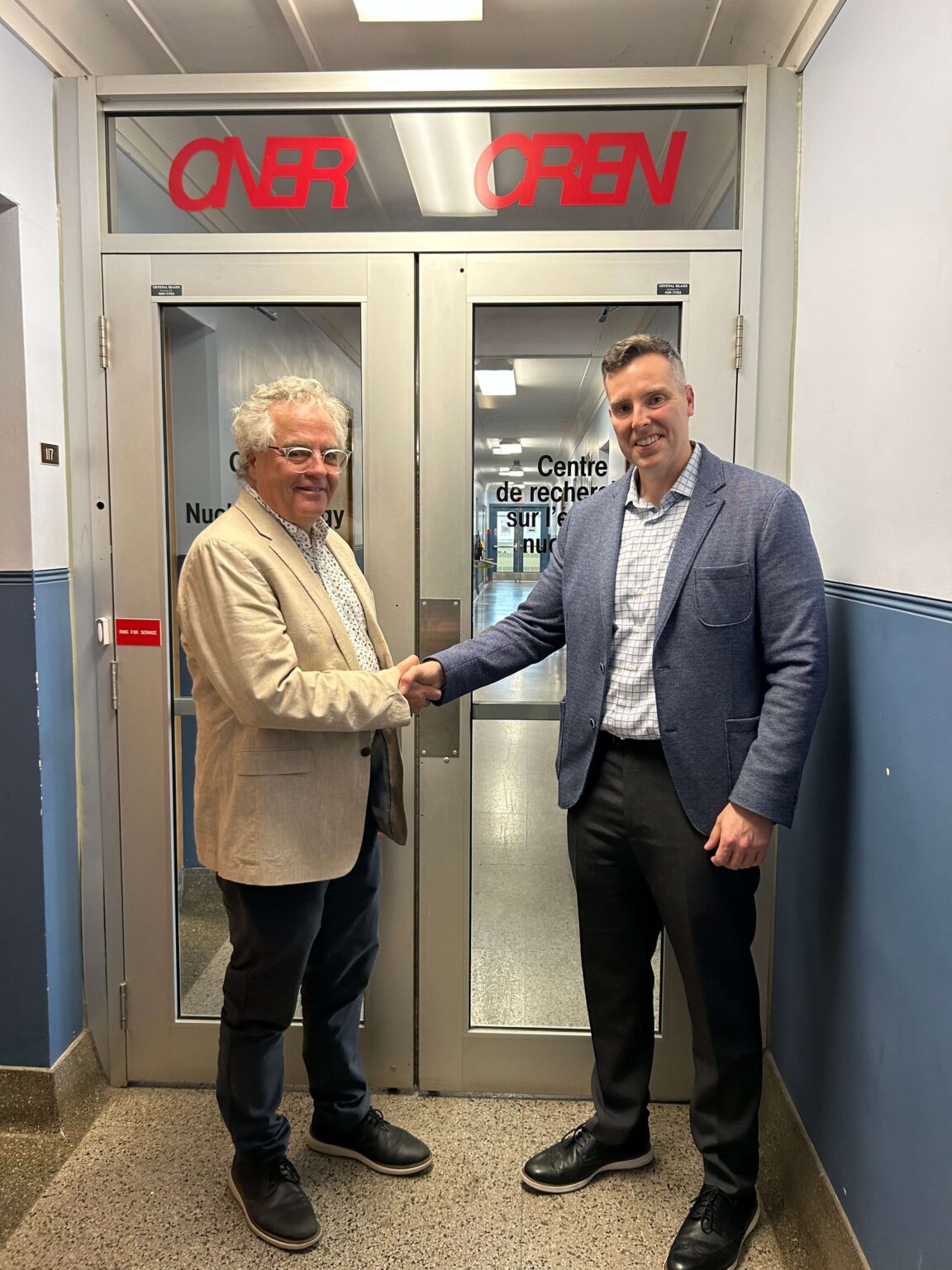
Jason Van Wart, President and CEO of Laurentis, right, joined Josh Leon, Dean of Engineering at the University of New Brunswick to present a donation to UNB's Centre for Nuclear Energy Research.

Laurentis Energy Partners is pleased to announce a donation to the University of New Brunswick’s (UNB) Centre for Nuclear Energy Research (CNER), reaffirming the company’s commitment to advancing nuclear technology and enabling a clean-energy future through research and innovation initiatives.

“Laurentis is proud to support the state-of-the-art solutions developed by CNER for the nuclear industry,” said Jason Van Wart, President and CEO of Laurentis. “As a company, we prioritize supporting the next generation of talented engineers and nuclear professionals whose advancements in research and development are building a better world.”

“I’d like to thank Laurentis for its generous contribution to CNER, which will support our students and their projects,” said Dr. William Cook, Director of the CNER. “These young engineers in training are engaged in important work related to advancing Small Modular Reactors and improving reactor inspections and maintenance, which is leading to innovative and impactful solutions for the global industry.”

An innovator and leader in the clean-energy industry, Laurentis has an office, contracts, and customers in New Brunswick, as well as Ontario, Saskatchewan and Romania.

In addition to its contribution to CNER, on Feb. 20, Laurentis will hold a co-op placement information and recruitment session for third- and fourth-year UNB students studying electrical, chemical, mechanical and civil engineering. Students who successfully obtain placements will work out of Laurentis’s Saint John, New Brunswick, office through the summer term.

From powerhouse to legacy: Laurentis partners in the successful decommissioning of a Class II cyclotron at the McMaster University Medical Centre

Story
January 18, 2024
7 min read

From powerhouse to legacy: Laurentis partners in the successful decommissioning of a Class II cyclotron at the McMaster University Medical Centre

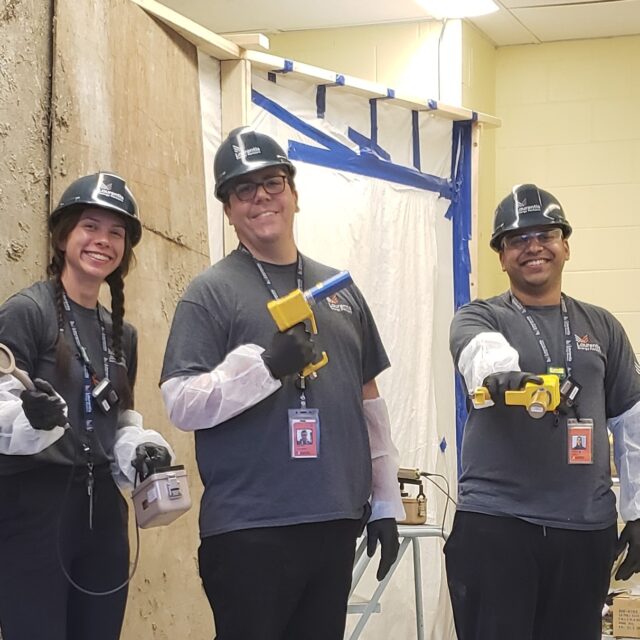
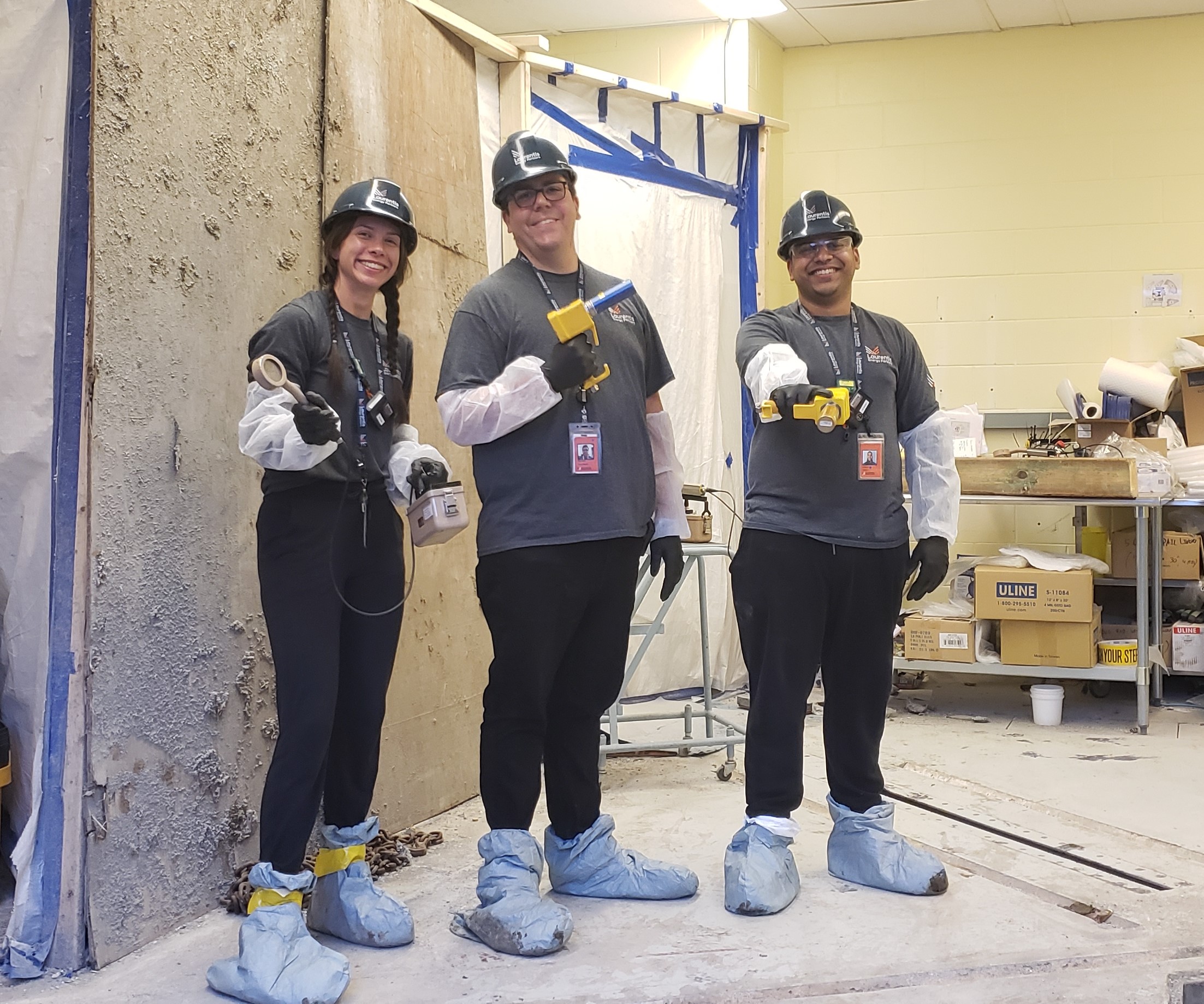
From left, Jennifer Petre, Radiation Protection Technician II; Garrett Treadwell, First Line Manager, Field Services; and Hiren Patel, Radiation Protection Technician II, show the radiation monitoring instruments used to perform radiation surveys to support the decommissioning of McMaster's cyclotron.

In a time where environmental sustainability is a paramount concern, Laurentis continues to solidify its position as a leader in nuclear science and safety by partnering in the decommissioning of a Class II RDS-112 Cyclotron located at the McMaster University Medical Centre (MUMC).

The Class II cyclotron, housed in a research facility at MUMC in Hamilton, Ontario and owned by the Centre for Probe Development and Commercialization (CPDC), had served as a cornerstone of scientific exploration and innovation for decades. It produced short-lived positron-emitting isotopes such as Fluorine-18, which is used for diagnostic imaging and research purposes, like the development of novel molecular imaging agents.

Having reached the end of its operational lifespan, the cyclotron was taken out of service in 2018. A technical assessment performed by McMaster Health Physics in 2019 determined that due to the decay time of the shorter-lived radioisotopes that were present, much of the decommissioning waste could be confirmed to be non-radiological.

"The decision to decommission the RDS-112 cyclotron was made after a newer and more reliable cyclotron was commissioned at the McMaster University Cyclotron Facility," said Josip Zic, Health Physics Director at McMaster University. "The dismantlement and licensed decommissioning of the Class II cyclotron is the first of its kind in Canada."

As a company that prides itself on its ability to innovate to create bespoke solutions for its customers, Laurentis was up for the challenge and met it with great success. Through a contract with GEN-PRO, Laurentis provided radiation protection and nuclear by-product sorting and classification services to assist Lanmar Environmental Solutions in safely dismantling the cyclotron over a six-week period. Representative samples of all waste streams were provided to McMaster Health Physics for analysis and quantification of any radioactive material that could still be present.

"The Class II cyclotron decommissioning is a symbol of excellence in nuclear science and safety, driven by Laurentis's innovative radiological protection methods and uniquely skilled Power Workers' Union staff," said Chris Horne, Director of Operations at Laurentis Energy Partners. "With the goal of waste minimization, the dedicated team provided radiation protection oversight and the expertise needed to sort and segregate radioactive nuclear by-products from clean materials. It involved meticulous planning, precise demolition, ingenious maneuvering of radioactive material, and detailed surveys and analysis to ensure regulatory standards were met throughout the entire decommissioning process."

This project builds on Laurentis and McMaster's important relationship which first began in 2020 with a research initiative focused on advancing nuclear energy innovations and supporting environmental solutions across the nuclear industry. That project, known as the Clean Energy Materials Sorting and Recycling Facility (CMSR), has made significant strides over the last three years that include the implementation of new techniques to sort and process low-level nuclear byproducts, as well as successfully obtaining Laurentis's first Nuclear Substance Radiation Devices licence from the Canadian Nuclear Safety Commission (CNSC).